

 Posts
Posts


 Rules about what our children and grandchildren must be inoculated against should be known and kept up to date. If you have a child with diabetes you should be aware of his or her Individualized educational plan; it’s his or her right. If you live in most of the country you know that May is the month of extreme heat. If you have diabetes you know you must take care to not become dehydrated and guard your skin from drying out. If you are outside make sure to carry water and come inside if you have any of the symptoms of heat exhaustion. Better yet do not go out when the temperatures are high and the sun is at its hottest. Go to the market early in the day or when the sum sets. Ask your physician about special creams to keep your skin healthy and keep preparations for fungal infections in your drawer in case you have an outbreak. Do not give up on exercise. Today in American 2/3 of population are overweight and 26% are obese. Please do not give up on your exercise and take along your non-diabetic friends. Exercise in-doors in the air conditioning environment with friends, to make sure all are safe and that you have fun. If you swim go early and use sun screen. What ever you do continue to exercise and read about diabetes so you know what all the diabetes terms like A1C levels are. Know what that score translates to and ask you physician what your standard deviation is so you know how much how often you have highs and lows. These are those highs and lows that impact on your ability to function well.
Showing posts with label Diabetic Health Updates. Show all posts
Showing posts with label Diabetic Health Updates. Show all posts
Diabetic HEALTH UPDATES....
Posted in Diabetic Health Updates Rules about what our children and grandchildren must be inoculated against should be known and kept up to date. If you have a child with diabetes you should be aware of his or her Individualized educational plan; it’s his or her right. If you live in most of the country you know that May is the month of extreme heat. If you have diabetes you know you must take care to not become dehydrated and guard your skin from drying out. If you are outside make sure to carry water and come inside if you have any of the symptoms of heat exhaustion. Better yet do not go out when the temperatures are high and the sun is at its hottest. Go to the market early in the day or when the sum sets. Ask your physician about special creams to keep your skin healthy and keep preparations for fungal infections in your drawer in case you have an outbreak. Do not give up on exercise. Today in American 2/3 of population are overweight and 26% are obese. Please do not give up on your exercise and take along your non-diabetic friends. Exercise in-doors in the air conditioning environment with friends, to make sure all are safe and that you have fun. If you swim go early and use sun screen. What ever you do continue to exercise and read about diabetes so you know what all the diabetes terms like A1C levels are. Know what that score translates to and ask you physician what your standard deviation is so you know how much how often you have highs and lows. These are those highs and lows that impact on your ability to function well. 
Diabetes Management Part 2
Posted in Diabetic Health Updates
In either case becoming familiar with the Glycemic Index, which shows which foods cause blood sugar levels to rise faster than others, is an important part of proper dietary management of diabetes. Foods with a high Glycemic Index will make blood sugar rise very rapidly, and should be avoided. Sugars and refined carbohydrates (’white’ pasta, white bread, etc.) are among the things at the top of the list, while whole grains (complex carbohydrates) are lower on the index, and proteins are near the bottom. Becoming familiar with the Glycemic index and finding which foods you like are safest for management of your blood sugar can make overall management of your diabetes much easier.
Regular exercise is an important part of long term management of diabetes. Since peripheral neuropathy often has serious effects onmuscle mass and control in the arms and legs, muscle-building exercises can be an important way of managing some of the physical effects of diabetes. Developing an effective weight training routine you can do easily in your own home may make this part of your diabetes management easier than committing to going to a gym regularly.
The onset of Type II diabetes is strongly correlated with overweight. In some cases, if Type II diabetes is diagnosed early enough and it is a mild enough case, proper diet combined with regular exercise may lead to the disappearance of diabetic symptoms. While there is a very strong chance the diabetes will return later in life, adding a few more years of good health will certainly help minimize side effects later in life, and will be good ‘training’ for proper diabetes management when it becomes necessary again. While exercise can never ‘cure’ Type I diabetes, the different metabolic characteristics of fat versus muscle cells still make exercise in important part of managing even Type I diabetes.
Diabetes management can be a complex process, but understanding the basics of your medication, healthy dietary choices and appropriate and regular exercise will provide a strong foundation for successful management of your diabetes throughout your life.
Diabetes Management Part 1
Posted in Diabetic Health Updates Proper diabetes management is critical in preventing serious long-term complications arising from high blood sugar. Unmanaged (or poorly managed) diabetes can lead to medical complications as serious as blindness, emergency amputations, or permanent damage to internal organs. Obviously, diabetes management is something every diabetic must take very seriously.
 The cornerstone of diabetes management is keeping your blood sugar as regular, and within healthy levels, as possible. All of the other effects of diabetes stem from the effects of high blood sugar. Luckily, today’s diabetic has a wide variety of home equipment available for regularly monitoring blood sugar levels. By keeping close track of your blood sugar throughout the day, you can learn your ‘normal’ responses to your medications, different foods and eating schedules, track the effects of a regular exercise program, and discuss these patterns with your doctor, to adapt the management of your diabetes even more effectively.
The basis of blood sugar management is usually a combination of medication and diet. Type I diabetics must take insulin because their body does not produce it properly. Management of Type I diabetes needs to be very precise, so the diabetic’s need for insulin matches the dose they are taking, preventing both high blood sugar and dangerous drops in blood sugar as well (hypoglycemia).
In Type II diabetes the body gradually becomes resistant to insulin over a span of many years. Although insulin is still produced, the body cannot use it effectively. Type II diabetics may take pills to help their body become more receptive to insulin.
Diabetic Nutrition tips:
Posted in Diabetic Health Updates- Walking or another physical activity is a great addition to a healthy eating plan because it will help you lose weight even faster and improve your overall health. Always ask your doctor before beginning a major exercise program.
- Low- or no-calorie sweeteners are fine for everyone to use as a substitute for sugar. These sweeteners do not affect blood sugar.
- Diabetics can consume alcohol in moderation, unless they are on medications that require avoiding it. Moderation is defined as one drink a day for women and two drinks a day for men.
- Weight loss is very important to diabetic nutrition, but it's important to lose weight sensibly. Aim for half a pound to a pound of weight loss per week.
- It is important to eat regularly when you have diabetes to keep your blood sugar on a more even level. You may find that eating smaller meals helps keep your condition in check. Whole grains are a great choice because they increase blood sugar more slowly, putting less stress on the body.
- There are so many great things you can eat even if you have diabetes. Consult some diabetic cookbooks for more information on the wonderful and healthy things you can cook for yourself and your family. You should also consider talking to a nutritionist about meal plans that will make everyone in the family happy to accept a diabetic nutrition plan.
The Easy Diabetic Diet Food Plan:
Posted in Diabetic Health Updates
There are a few simple ways to manage your diabetes with your diet food. · Set a schedule to eat your meals and snacks at the same times every day. Do not skip meals. This can throw your blood sugar out of strike. · Portion control is very important for controlling your blood sugar as well. Do not overeat. · A simple diabetic diet would be to eat more vegetables, whole grains, fruits, lean meats and low fat dairy products which are rich in nutrition and low in fat and calories. · Sometimes deliberate diet food plan helps people to maintain their blood sugar and health. · Healthy diabetic eating includes: · Limiting sweets · Eating often · Being careful about when and how many carbohydrates you eat · Eating lots of whole-grain foods, fruits and vegetables · Eating less fat Diabetic Foods: From LoveToKnow Diet Diabetic meals and snacks require the correct diabetic foods in appropriate portions to create a day’s worth of healthy eating for blood sugar regulation. List of Diabetic Foods: Protein: lean beef cuts white poultry meat fish egg whites whole grains Fat: canola oil olive oil nuts seeds low fat dairy products Carbohydrates: whole grain breads bran cereals fruits with skin vegetables with skin kidney beans chickpeas whole wheat pasta brown rice
Diabetic Sample Meal Plan for Diabetes
Posted in Diabetic Health Updates Breakfast (360 calories, 52.5 grams carbohydrate)
 - 1 slice toasted whole wheat bread with 1 teaspoon margarine
- 1/4 cup egg
- substitute or cottage cheese1/2 cup skim milk
- 1/2 small banana
(535 calories, 75 grams carbohydrate)
- 1 cup vegetable soup with 4-6 crackers
- 1 sandwich (2 slices whole wheat bread, 1 ounce low-fat cheese, 1 teaspoon mayonnaise)
- 1 small apple
(635 calories, 65 grams carbohydrate)
- 4 ounces broiled chicken breast with basil and oregano sprinkled on top
- 2/3 cup cooked brown rice
- 1/2 cup cooked carrots
- 1 small whole grain dinner roll with 1 teaspoon margarine
- Tossed salad with 2 tablespoons low-fat salad dressing
- 4 unsweetened canned apricot halves or 1 small slice of angel food cake.
Diabetes Patients – Foods to Eat and Avoid
Posted in Diabetic Health Updates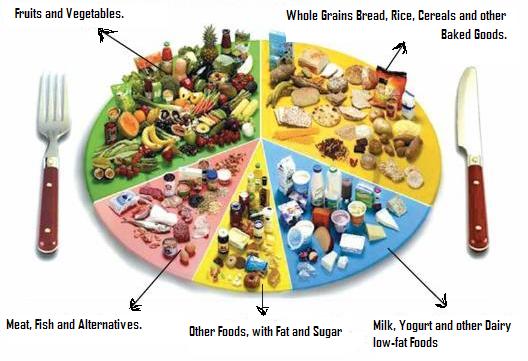 The general concern while monitoring and controlling diabetes is to see that the sugar level does not exceed the normal range. This means that one need to cut down certain types of food and consume that food regularly, which are good at regulating diabetes. People with diabetes should try to maintain a healthy weight and eat a diet that is
Low in fat
Low in sugar
Low in salt
High in fruit and vegetables
High in starchy carbohydrate foods, such as bread, chapatti, rice.
What Foods to Eat?
A diabetic patient must eat lots of fruits and vegetables in which fibre content is very high. Such type of food lowers the requirement for insulin, the reason being it releases energy into the body cells slowly. A high fibre diet means more chromium, which is very helpful in the treatment of diabetes. As for vegetables, onion, garlic, ginger, radish, spinach, cucumber, carrot, tomato, cabbages are excellent in the treatment of diabetes. For fruits, take guava, blackberry (jamun), apples, citrus fruits and pomegranate juice. Let these things be a part of your morning breakfast. Since, fruit juice is high in fructose (fruit sugar) and can cause blood sugar levels to rise quickly, it's best for diabetics to drink fruit juice with a meal and avoid having more than one small glass a day and also
Replace white sugar with palm sugar, dates and honey, if you want to have something sweet.
Unpolished rice, sprouted grain should be taken in moderate quantity.
Fats like olive oil and peanut oil are good in diabetes.
Drink plenty of water, at least 8 to 10 glasses per day.
Raw vegetables need to be taken in large quantity, as cooked food raises the level of blood sugar fast.
Eat non-fat dairy such as skim milk, non-fat yogurt and non-fat cheese, plain yogurt, avoid cottage cheese as it is high in carbohydrates.
What to Avoid?
Processed foods, white sugar, white flour and junk food, must be totally given up. Avoid sweets, glucose, fruit sugar, cakes, ice cream, chocolates, soft drinks, cream and fried foods.
Anything that contains harmful preservatives and too much salt should be avoided.
Avoid smoking and alcohol.
Try and abstain from sweets, ice-creams and chocolates, including the so-called sugar-free types.
Avoid concentrated dairy products, such as khoya, kheer, cheese, cottage cheese.
Fruits such as bananas, mango, grapes, strawberry, custard apple, date.
Avoid commercially packaged foods such as fast foods, chips, ready-to-eat foods, snack foods and "health foods."
Fruit juices, as these are much higher in carbohydrates than fresh fruit. Moreover, they also lack in dietary fibre.
Diabetes Symptoms
Posted in Diabetic Health Updates
symptoms of type 1 diabetes are dramatic and common on very suddenly.
 Common Symptoms of Both Type Of Diabetes:
- Type 1 diabetes mostly recognized in childhood, and often in association with an illness.
- The extra stress can cause diabetes.
- Because of extra stress diabetes, symptoms includes nausea and vomiting. Dehydration and often serious disturbances in blood level of potassium follow.
- without treatment, it can lead to comma and death.
- A person may have type 2 diabetes for many years without knowing it.
- people with type 2 diabetes can develop hypoglycemic.
- Type 2 diabetes can be precipitated by steroids and stress.
- If not properly treated, type 2 diabetes can lead to complications like blindness, kidney failure, nerve damaged and heart disease.
 Common Symptoms of Both Type Of Diabetes:
- Fatigue: In diabetes ,the body inefficient and sometimes unable to use glucose for fuel. The body switches over to metabolizing fat, partially or completely ,as fuel source.
- Unexplained Weight Loss:People with diabetes are unable to process many of the calories in the foods they eat. Thus, they may lose weight even they eat an apparently appropriate or even excessive amount of food. Losing sugar and water in the urine is also the symptom of diabetes.
- Excessive Thirst: A person with diabetes develops high blood sugar level ,which overwhelms the kidney's ability reabsorb the sugar as the blood is filtered to make urine. excessive urine is make as the kidney spills the excess sugar.
- Excessive Urination: Another way the body tries to get rid of the extra sugar in the blood is to excrete it in the urine, this can also lead too dehydration because excreting the sugar carriers a large amount of water out of the body
- Excessive Eating: If the body is able, it will secrete more insulin in order to try to deal with the excessive blood sugar levels. Moreover, the body is resistant to the action of insulin in type 2 diabetes. therefore, higher insulin level lead to increase hunger and eating.
- Poor wound Healing: High blood sugar level prevent white blood cells, which are important in defending the body against bacteria and also in cleaning up dead tissues and cells, from function normally.
- Infections: Certain function syndromes, such as frequent yeast infections of the genitals, skin infections, and frequent urinary tract infections, may result from suppression of the immune system by diabetes and by the presence of glucose in the tissue, which allows bacteria to grow well.
- Altered Mental Status: Agitation, unexplained irritability, inattention, lethargy, o r confusion can all be sign of low sugar and hyperglycemia.
- Blurry Vision: Blurry vision is not specific for diabetes but is frequently present with blood sugar levels.
Causes of diabetes
Posted in Diabetic Health Updates
A video to understand more about causes of Diabetes. What is seen is more effective then what is read. Video of Diabetes cause
There are 2 reason as a result of which diabetes occur. Type-1 Diabetes: Type-1 diabetes is an autoimmune disease.The body immune system attacks the beta cells that produce insulin.

There are 2 reason as a result of which diabetes occur. Type-1 Diabetes: Type-1 diabetes is an autoimmune disease.The body immune system attacks the beta cells that produce insulin.
- Diabetes may run in families, but genetic causes are more common to type-2 rather than type-1
- Environmental factors may also contributes to such problems. e.g food-borne chemical toxins,
Type-1 diabetes is more common in men then women.

Type-2 Diabetes:
Type-2 diabetes as expressed earlier is more related to genetic reasons, and it tends to run in families. Risk factor to develop diabetes is as follows. - Hypertension(high Blood Pressure).
- High-Fat diet.
- High alcohol usage.
- being overweight or obesity.
- Increase age is also a factor for type-2 diabetes.
 Physical in activity is contributes in type-2 diabetes.
 - Heredity is a major cause of diabetes. if both parents have type 2 diabetes, that there is a chance that nearly all of heir children will have diabetes.

- Certain medicines
- pregnancy
- Any illness that cause damage to pancreas which effects the ability to produce proper insulin.
How Diabetic Diet Works
Posted in Diabetic Health Updates
Diet for diabetic is not just a diet that is free from “sugars”. A diabetic meal is a balanced healthy diet with appropriate mixture of carbohydrates, proteins and fats that provide essential nutrients as well as to create an even release of glucose into the blood of a diabetes patient. The goals are to keep blood glucose as near as possible to that of a normal person. Most of the food we eat is broken down into glucose. By learning what to eat, how much to eat and when to eat we can keep our blood glucose levels within a target range. For a normal people, blood glucose levels are kept within 70 to 120mg/DL. The level will goes up after eating and return to normal after 1 or 2 hours. Following is a reference table for targeted blood glucose levels for people with diabetes. Target Blood Glucose Levels For Diabetes Patients Before Meal 90 to 130 mg/dL 1-2 Hours After Meal less than 180 mg/dL
Subscribe to:
Posts (Atom)